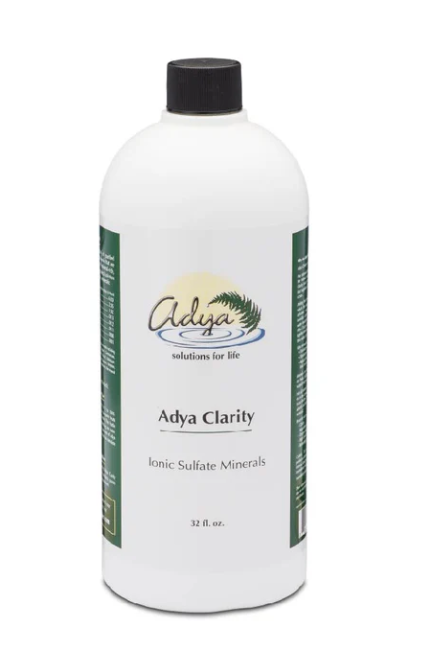
What we believe to be one of the best if not the best water filtration system on the market today.
In a believable urban blog, you must clarify that filtration is not purification. Filters remove "floaties" (sediment and pathogens), but they don’t always kill viruses or neutralize dissolved chemicals. In a city, chemical runoff is often a bigger threat than bacteria.
1. The "Bio-Sand" Vertical Filter
This is the gold standard for improvised setups. Use a 2-liter bottle (Code 1 or 2) with the bottom cut off, inverted.
Layering (Top to Bottom): Large pebbles, small gravel, coarse sand, and finally crushed activated charcoal.
The Charcoal Factor: In an urban setting, you can make activated charcoal from burnt wood or buy it from pet stores (aquarium filter media). This is the only improvised layer that helps remove some chemical toxins and heavy metals common in city runoff.
The Buffer: Always place a piece of tight-knit cloth (like a bandana) at the very bottom (the neck of the bottle) to keep the sand from leaking into your "clean" container.
2. The Capillary Action (Wick) Filter
If you have high-turbidity (muddy) water and time, use the Siphon/Wick method.
Place the dirty water container higher than the clean one.
Run a tightly twisted cotton rope or strip of towel between them.
The Result: Water travels through the fibers via capillary action, leaving sediment and many larger microbes behind in the dirty bucket. It is slow but requires zero monitoring.
3. Improvised Flocculation
Urban water is often "gray." You can use Alum (found in the spice aisle) to perform flocculation.
Stir a small amount of Alum into a bucket of cloudy water.
It causes particles to clump together and sink to the bottom, allowing you to scoop the clear water off the top for secondary filtration.
4. The Critical Final Step: Purification
Even the best improvised filter likely misses viruses (like Hepatitis A) common in urban sewage overflows.
Boiling: The most reliable method. Bring to a rolling boil for at least one minute.
Distillation: If you suspect chemical contamination (lead, mercury, or pesticides), you must distill the water by capturing steam. Filtration and boiling alone will not remove dissolved heavy metals.
Do you want to detail a DIY distillation rig using kitchen supplies, or move on to scavenging chemicals like unscented bleach for purification?
Adya clarity water filtration systems:
A gravity-fed, two-stage system that uses an included liquid mineral solution as the first step in purification. This system aligns perfectly with the urban survival's need for a robust, non-electric method to manage the chemical and biological contamination specific to urban water sources.
Product Details and Operation
The Adya Clarity Water Bucket Filter System combines flocculation/coagulation using liquid minerals with physical filtration.
Two-Stage Process:
Purification (Liquid Minerals):
You add the proprietary Adya Clarity liquid ionic minerals (sourced from biotite mica) to raw water in the top 3.5-gallon chamber. These minerals act as a flocculant, causing heavy metals, chemicals, and organic impurities to bind together into larger, insoluble particles that sink to the bottom. This process helps neutralize over 250 contaminants, including BPA, fluoride, pesticides, and pharmaceuticals.
Filtration (Ceramic Filter):
The water then passes by gravity through a 0.2-micron micro-ceramic filter (and potentially an optional 4-layer earth filter) into the bottom collection chamber. This filter physically removes the sediment formed by the mineral solution and any remaining larger pathogens.
Key Features:
Gravity-Fed:
Requires no electricity or water pressure, making it ideal for a survival scenario.
Material:
Made from HDPE #2 BPA-free food-grade plastic for safe, long-term use.
Mineralization:
Reviewers note that the process leaves in beneficial minerals (like magnesium and potassium) while removing harmful ones, which many feel improves taste and hydration.
Portability:
At just over 4 lbs, it is easily transportable.
Relevance to Urban Survival
This system directly addresses several points from the previous urban survival discussions:
Beyond Filtration:
It explicitly solves the purification problem, using a two-step process that tackles both physical sediment (which an improvised filter might miss) and the chemical runoff common in urban settings that even boiling can't always fix.
Identifying "Unhealthy" Water:
The system visibly demonstrates its effectiveness;
Users often see an "orangey-colored substance" (neutralized contaminants) precipitate to the bottom, which validates the purification process and builds confidence in the water's safety.
Practicality:
Unlike improvised methods that require constant attention (boiling, building a rig), this is a passive gravity system where you add water and minerals, then return later for clean water, a practical consideration for a busy survival situation.
Where to Purchase
The Adya Clarity system and replacement parts are available from several online merchants:
Merchant Product
Adya Water Bucket Filter System
Get Well Natural Herbal Supplements Adya White Bucket Mountain Spring Water Filtration Complete System
Adya Clarity Liquid Ionic Minerals (standalone product)
Adya Clarity Water Filtration System | Mineral & Ceramic Filter
What are the pros and cons of this system?
The Adya Clarity water filtration system is praised for its comprehensive purification capabilities without electricity, but users note its higher initial cost and the specific "twang" of the treated water.
Pros
Comprehensive Contaminant Reduction: The system is proven by EPA-certified lab tests to reduce a vast range of contaminants, including industrial chemicals, pesticides, pharmaceuticals, heavy metals (like lead and mercury), and chlorine.
Dual-Stage Purification:
The unique combination of liquid mineral flocculant and a micro-ceramic filter effectively addresses both dissolved chemicals and physical/biological pathogens, a key advantage for urban water sources.
Gravity-Fed Operation:
The system requires no electricity or water pressure, making it an excellent, reliable option for off-grid or emergency urban survival scenarios.
Mineral Retention/Enhancement:
Unlike reverse osmosis or distillation, Adya Clarity retains and reintroduces beneficial minerals, which some reviewers claim improves taste and hydration.
Visible Results:
The flocculation process makes contaminants visible as they settle to the bottom, offering tangible proof that the system is working effectively.
Durable and Portable:
Constructed from HDPE #2 BPA-free food-grade plastic, it is built to last and, at around 4 lbs, is easily transportable.
Cons
Cost: The system has a higher upfront cost compared to basic filtration options, and the proprietary liquid mineral solution needs to be purchased regularly as a consumable.
Taste Consideration: Some users notice a slight "lime-like" or "funky" taste/twang to the water, which may not appeal to all users.
Requires Dosing Accuracy: The liquid minerals need to be measured accurately for optimal performance, and the standard bottle cap lacks precise markings, prompting recommendations for a separate pipette for correct dosing.
Time-Consuming Process:
It is a gravity-fed system that requires time (letting the flocculant work and then allowing the water to filter through) and is not suitable for instant water needs.
Skepticism and Myths:
Despite company data addressing them, there has been historical user concern and skepticism in online forums regarding the system's safety and aluminum content. However, lab tests show residual aluminum levels are well within EPA recommended limits after filtration.
Filtered vs Purified Water:
Understanding the Differences, Processes.
Aug 21, 2023 — Adya Clarity's advanced water purification process offers an innovative and effective way to purify water, reducing toxic contaminants.